


End-of-Life or Death Doula
Education about death and non-medical support before a death and for the family after it.

Why We Put Off Thinking About Death
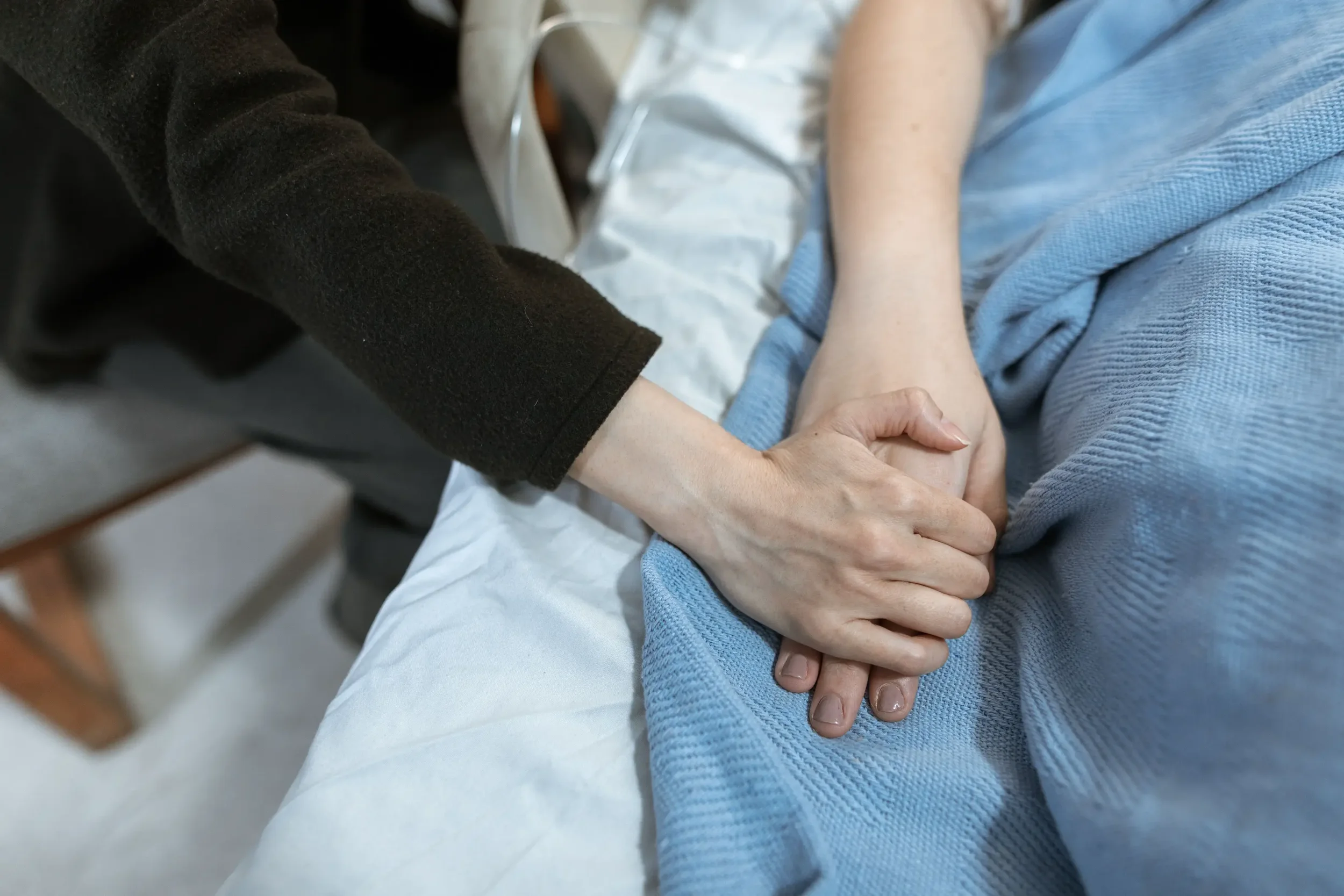
Everyone dies. Almost nobody wants to discuss it in advance, so we put the subject off until something forces it on us. We are a nation of death deniers.
Preparing for the end of life brings clarity to how we live our life today. And when the time comes, the plans you made can spare your loved ones months of labor, guesswork, and potentially conflict and regret.


How a Death Doula Supports You
Only 8% of deaths are sudden. Fully 92% are natural and allow for thoughtful planning and meaningful conversations. You don't need a diagnosis to start. Many people use end-of-life doula services years before their foreseeable death, when decisions are still theirs to make.
Your doula is a steady presence and guide for you and your circle of loved ones during the final months. We work through the decisions together, and I stay through the last hours and afterward, when your family is dealing with the part nobody prepares them for.
End-of-Life Doula for Families
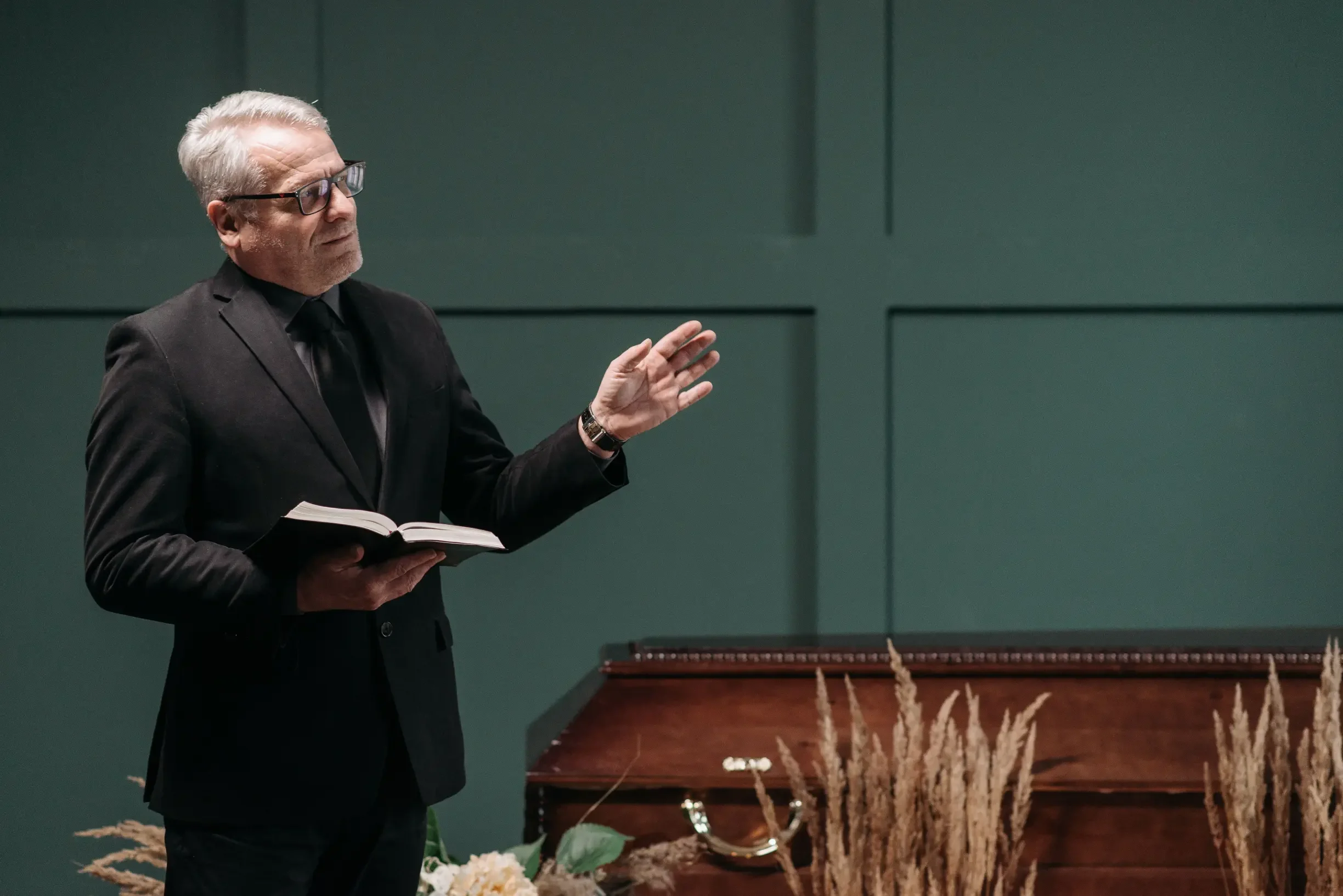
Dying is rarely a private matter. Someone signs the forms. Someone drives to appointments and refills the prescriptions. Someone is still awake at three in the morning six months later. More often than not it is the same person and nobody has thought to ask how they are holding up.
Support for Adult Children and Caregivers
By the time families call me, they are worn out and guessing. They think they know what their loved one would have wanted. But they are not sure and that doubt sits underneath every choice they make. So we sit down together, everyone in the same room and get their wishes written down while there is still time to ask them. Families tell me the relief is immediate.
Support for Those Planning Ahead
Whether you are a parent, an uncle, a sibling, or anyone else planning ahead, working with an end-of-life doula means your instructions, your paperwork, and your account details are written down and findable, so no one is piecing it together in a hospital corridor at two in the morning.
Questions and Answers
-
Preparing for the end of life takes more than an advance directive and a Will. There is the practical side: finances, paperwork, passwords, and whatever legal loose ends are still hanging. Then there is the harder side, the decisions about how you want to be cared for, what you want and don't want, and who you trust to speak for you when you can't.
You don't have to do any of this alone. I go through it with you, and the decisions stay yours throughout. What I do is make sure they actually get made, written down, and put in the hands of the people who will need them.
-
Much of the work is listening and documenting while you think out loud or being in the room when a conversation is too hard to start on your own. Services may include:
● Advance care planning
● Assistance in problem-solving
● Legacy focus: shining a light on your contributions or creating a special project of remembrance
● Life review: honoring the joys, sorrows, dreams, and regrets you confide
● Family meetings
● Surfacing and documenting your wishes for the final days and hours of your life
● Obituary assistance
● Support for caregivers
● Bedside presence during the final hours, if desired
● Grief and bereavement support for loved ones
Services are tailored to your individual needs and wishes.
-
Many people start this work while they are perfectly healthy. Putting your wishes in writing means the people who will one day act on them are not left to interpret you, and once it is done, most people stop turning the question over. You get to think about something else.
-
Hospice and doulas work alongside each other, but the jobs are different. Hospice handles the medical side, the pain management and the comfort care, and it comes in during the final months. My work is not medical, and it can start years earlier. We talk through what you want, put the practical pieces in order, bring your family into the conversation, and settle how you want the end to go while you can still say so.
-
Yes and it happens often. An adult child usually calls first, sometimes a spouse. I will not work with the person who is dying unless they want me there, so the first step is always asking them. Families hire me for themselves, too. Caregiving is exhausting work, and so is getting ready for a death you can see coming.
-
Services are typically provided in the person’s home, hospital, or hospice facility. Depending on your needs, meetings can also be held by phone or video, so living far away is not a reason to go without help.
-
I travel to counties surrounding Milwaukee and other areas by arrangement.
-
Yes and it is one of the most common reasons parents call me. Left to themselves, these conversations tend to collapse. Someone gets upset, everyone else takes that as a signal to stop, and the subject gets put off until there is no putting it off. I keep it on track. By the end, your children will know what you want and they will have heard it from you rather than piecing it together later.
-
End-of-life support for families continues past the death itself. That includes obituary help, guidance through the first weeks, and grief support for anyone in the family who wants it.
-
● Doula services are provided at the location of the client unless virtual (video) is preferred or appropriate to the circumstances
● Timing of sessions is paced to individual needs
● Sessions are 60 minutes in length
● $150.00 each for 1 to 3 sessions
● $550.00 for 4 sessions
● $800.00 for 6 sessions
● $1,200.00 for 10 sessions
● There will be a surcharge for travel time and mileage in some cases.
● A reasonable number of brief contacts via phone, text, or email between sessions is included in each package
● Discounts may be negotiated on a case-by-case basis
Start With a Conversation
You can ask questions before committing to anything. If you are weighing death doula services for yourself or someone you love, get in touch and we will talk through where you are and what would help most.